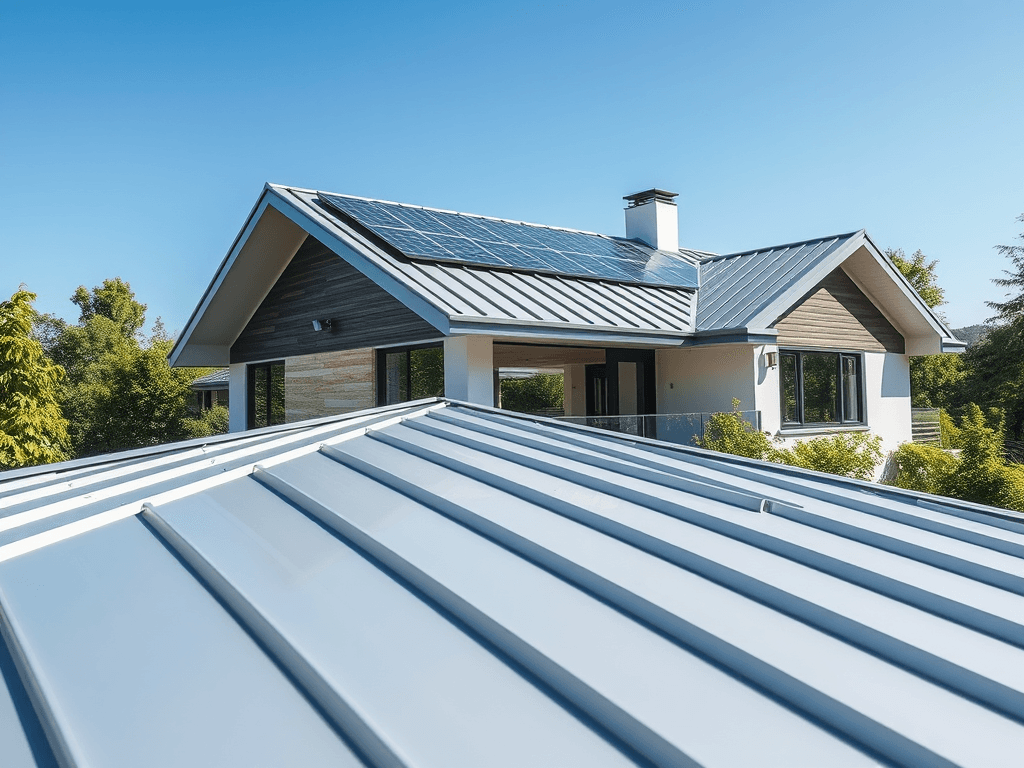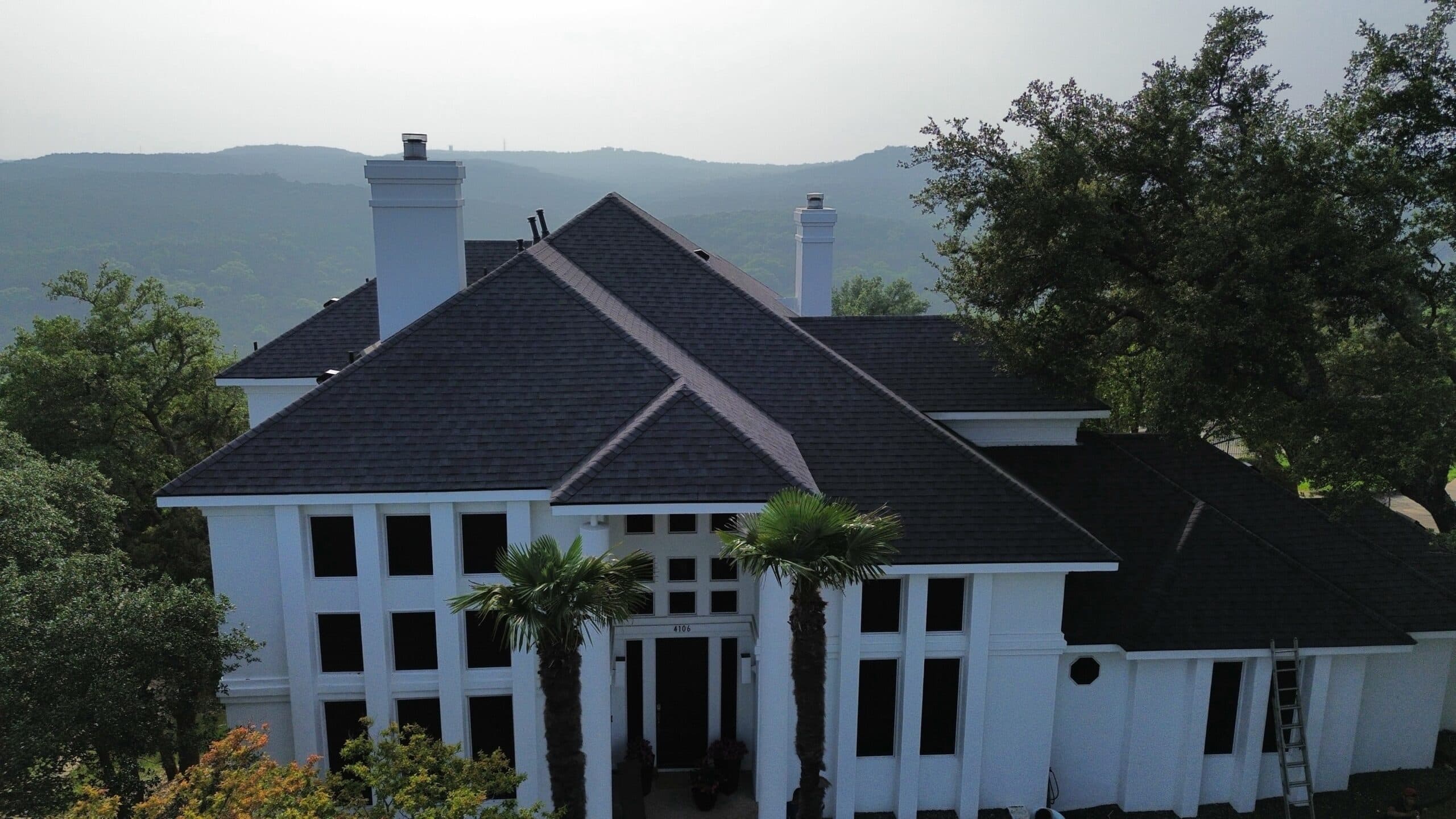
Your roof and siding work as a system. A new roof on a home with failing siding is like replacing the engine and ignoring the transmission — the exterior envelope only performs as well as its weakest component. Central Texas homeowners replacing aging siding are often doing it for the same reasons they replace roofs: storm damage, extreme heat exposure, and the relentless UV that breaks down exterior materials faster here than almost anywhere else in the country.
Whether you're dealing with hail-damaged vinyl, rotting wood siding, or simply outdated material that's costing you in energy bills, this guide covers what you need to know about siding installation in Austin, Round Rock, and the surrounding region.
Why Central Texas Is Hard on Siding
The same conditions that age roofs prematurely also destroy siding:
- UV radiation: Central Texas sun bleaches and degrades vinyl and wood siding faster than northern climates
- Heat: Summer temps above 100°F cause vinyl siding to warp, buckle, and lose color
- Hail: Central Texas is in the national hail corridor — large hail cracks vinyl and dents aluminum siding extensively
- Moisture cycling: Wet springs followed by dry, hot summers cause wood siding to expand and contract, leading to cracking, splitting, and paint failure
- Pest pressure: Woodpeckers, carpenter ants, and termites target wood siding heavily in our region
These conditions make material selection critical — what works in Seattle or Minnesota may fail in 5 years in Central Texas.
Siding Materials: What Works in Central Texas
James Hardie Fiber Cement — The Best Fit for Texas
James Hardie fiber cement is the dominant choice for new siding in Central Texas, and for good reason. It's engineered to handle exactly the conditions we face:
- Heat stable: Doesn't warp, buckle, or melt in Texas summer heat (unlike vinyl)
- Impact resistant: Handles hail significantly better than vinyl or wood
- Moisture resistant: Won't rot, swell, or support mold growth
- Pest resistant: Cement board gives termites and woodpeckers nothing to work with
- Fire resistant: Class 1A fire rating — important for Texas wildfire interface areas
- Excellent warranties: 30-year non-prorated warranty on panels, 15 years on ColorPlus factory finish
James Hardie product lines:
- HardiePlank (lap siding) — the classic horizontal look, most popular in Central Texas
- HardieShingle (shingle panels) — mimics cedar shingle appearance
- HardiePanel (vertical board & batten) — popular on modern farmhouse and contemporary homes
- HardieBoard (trim) — used around windows, doors, and corners
Installed cost in Central Texas 2026: $9–$15 per square foot
Vinyl Siding — Budget Option, but Texas Has Concerns
Vinyl is the cheapest siding option and performs adequately in moderate climates. In Central Texas, it's a more complicated choice:
Pros: Lowest upfront cost, no painting required, lightweight
Cons: Warps in intense heat, brittle in cold (the 2021 freeze cracked a lot of vinyl siding in our market), relatively poor hail resistance for large hail events, shorter lifespan in high-UV environments (15–20 years vs. 30+ for Hardie)
If budget is the primary constraint, vinyl can work — but specify premium (.046+ thickness) vinyl rather than economy grade, which will show heat distortion within 5–7 years.
Installed cost in Central Texas 2026: $4–$8 per square foot
LP SmartSide (Engineered Wood)
LP SmartSide is treated engineered wood that bridges the gap between wood aesthetics and improved durability. It accepts paint well, is more impact-resistant than vinyl, and carries a 50-year limited warranty.
In Central Texas, the main concern is moisture at cut ends and around penetrations — proper installation with fully sealed cuts is essential. When installed correctly, it's a strong performer.
Installed cost in Central Texas 2026: $7–$12 per square foot
Natural Wood Siding
Cedar and redwood siding are beautiful but maintenance-intensive in Texas conditions. Expect to repaint every 5–7 years, and conduct annual inspections for pest intrusion. Mostly chosen for historic homes, high-end custom projects, or specific aesthetic requirements.
Installed cost in Central Texas 2026: $10–$18 per square foot
Brick & Stone Veneer
Popular in Texas for its durability and heat mass. Brick essentially never needs replacing and is highly resistant to all the conditions that destroy other siding types. The downsides are cost and weight — it requires proper foundation support.
Installed cost in Central Texas 2026: $15–$30+ per square foot
Siding Installation Cost Guide: Central Texas 2026
Costs vary significantly based on home size, material, existing condition, and complexity.
By Material Type (1,500 sf single-story home)
| Material | Material Cost | Labor | Total Estimate |
|---|---|---|---|
| Economy Vinyl | $2,000–$3,500 | $2,500–$4,000 | $4,500–$7,500 |
| Premium Vinyl | $3,500–$5,500 | $2,500–$4,000 | $6,000–$9,500 |
| LP SmartSide | $4,500–$7,000 | $3,000–$5,000 | $7,500–$12,000 |
| James Hardie (HardiePlank) | $5,500–$9,000 | $4,000–$6,500 | $9,500–$15,500 |
| Natural Cedar | $7,000–$12,000 | $4,500–$7,000 | $11,500–$19,000 |
Factors That Drive Cost Up
- Two-story homes: Scaffolding or lift rental adds $800–$2,000
- Removal of existing siding: $1,000–$3,000 for full removal and disposal
- Rotted sheathing repair: $500–$2,500 depending on extent (discovered during tear-off)
- Window/door trim replacement: $150–$400 per opening
- Complex architectural features: Gables, dormers, and bump-outs add 15–30% to labor
- Painting (if not pre-finished): $1,500–$4,000 for full exterior
Hidden Costs to Budget For
House wrap replacement: If existing moisture barrier is damaged, new house wrap is $500–$1,500 but absolutely worth it — it's the second line of defense against water intrusion.
Trim and soffit work: Often done simultaneously with siding — budget $800–$2,500 for a complete exterior refresh.
The Installation Process: What to Expect
A professional siding installation follows a clear sequence:
- Pre-job inspection — We assess existing siding condition, sheathing integrity, and moisture barrier before quoting
- Tear-off (if replacing) — Old siding removed, sheathing inspected for rot or damage
- Sheathing repair — Any rotted or damaged OSB replaced before new siding goes on
- House wrap installation — New moisture barrier applied with proper overlaps and taped seams
- Corner and trim installation — Establishes the framework all field panels align to
- Panel installation — Working bottom to top with proper nailing, overlap, and expansion gaps
- Penetration sealing — All windows, doors, outlets, and fixtures properly flashed and sealed
- Caulking and touch-up — All joints sealed with appropriate exterior grade caulk
- Final inspection and cleanup
Typical timeline: 3–7 days for a standard single-story home, depending on material and home complexity.
Signs Your Siding Needs Replacement
Vinyl siding:
- Warping, buckling, or melted appearance (often heat-related)
- Cracked panels from hail or impact
- Fading that paint cannot address (paint won't adhere properly to old vinyl)
- Sections pulling away from the wall
Wood siding:
- Soft spots, spongy feel — indicates rot beneath
- Paint failing within 2–3 years of repainting (moisture infiltration)
- Visible pest damage: woodpecker holes, hollow-sounding panels
- Gaps at seams or where siding meets trim
All types:
- Rising energy bills without other explanation (siding is part of your thermal envelope)
- Interior wall moisture or mold (water getting past siding)
- Visible daylight around window or door frames
Siding and Your Insurance Claim
If your siding was damaged in a hail or wind event, your homeowner's insurance may cover full replacement. Here's what matters for a successful claim:
- Document damage before any repair — photos from multiple angles, close-up on impact marks
- Note the storm date — your carrier will cross-reference with weather data
- Request a written repair estimate from a licensed contractor before talking to your adjuster
- Fiber cement and premium vinyl siding are generally straightforward insurance replacements; the carrier replaces like-for-like
At Ripple Roofing, we handle insurance claims documentation for both roofing and siding, and we work directly with all major Texas carriers. We'll walk your adjuster through the damage assessment and help ensure your claim is handled fairly.
Why Ripple Roofing for Siding
Siding and roofing are exterior envelope work — and combining them under one contractor when you're doing both is a significant advantage. Our crews handle the full scope: roofing, siding, gutters, soffit, fascia, and trim. One point of contact, one warranty, one schedule.
We serve Round Rock, Austin, Georgetown, Cedar Park, Pflugerville, Leander, and surrounding Central Texas communities.
Get a free siding estimate or call (512) 763-5277.
Frequently Asked Questions
How long does new siding last in Central Texas?
James Hardie fiber cement: 30–50+ years with proper maintenance. LP SmartSide: 20–30 years. Premium vinyl: 15–25 years in Texas heat. Natural wood: 15–20 years with regular repainting and maintenance.
Can I side over my existing siding?
In some cases, vinyl can be installed over existing siding, which saves tear-off costs. However, this approach is not recommended for fiber cement (adds too much weight) and masks any sheathing damage underneath. We'll assess your existing condition and advise whether it makes sense.
Do I need a permit for siding replacement in Round Rock/Austin?
Generally yes — most Central Texas municipalities require a permit for full siding replacement. We handle the permit process as part of every job.
Will new siding lower my energy bills?
Siding alone has a modest impact on energy performance. The bigger gains come from ensuring proper house wrap and insulation beneath the siding. If you're replacing old siding, it's an ideal time to add rigid foam insulation between the sheathing and new siding — typically adds $1,500–$3,000 but can meaningfully reduce summer cooling costs.