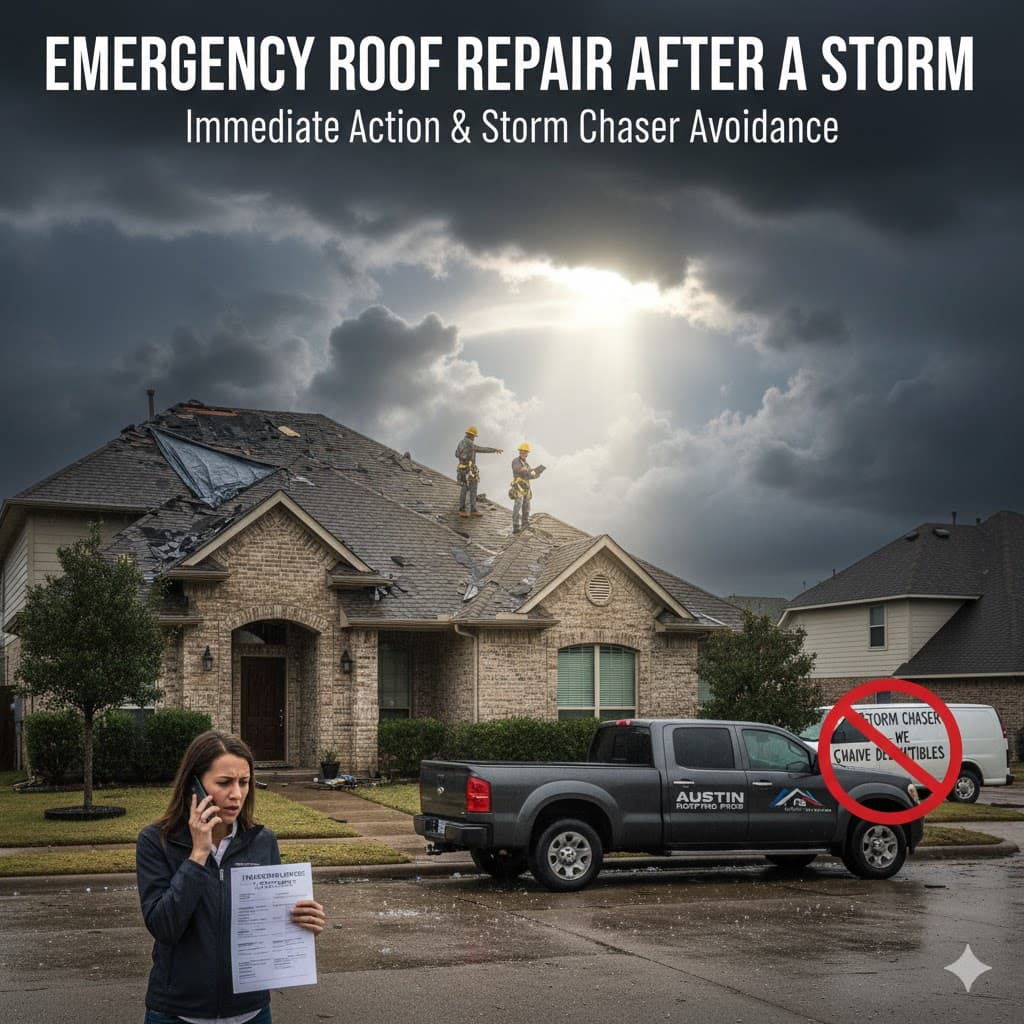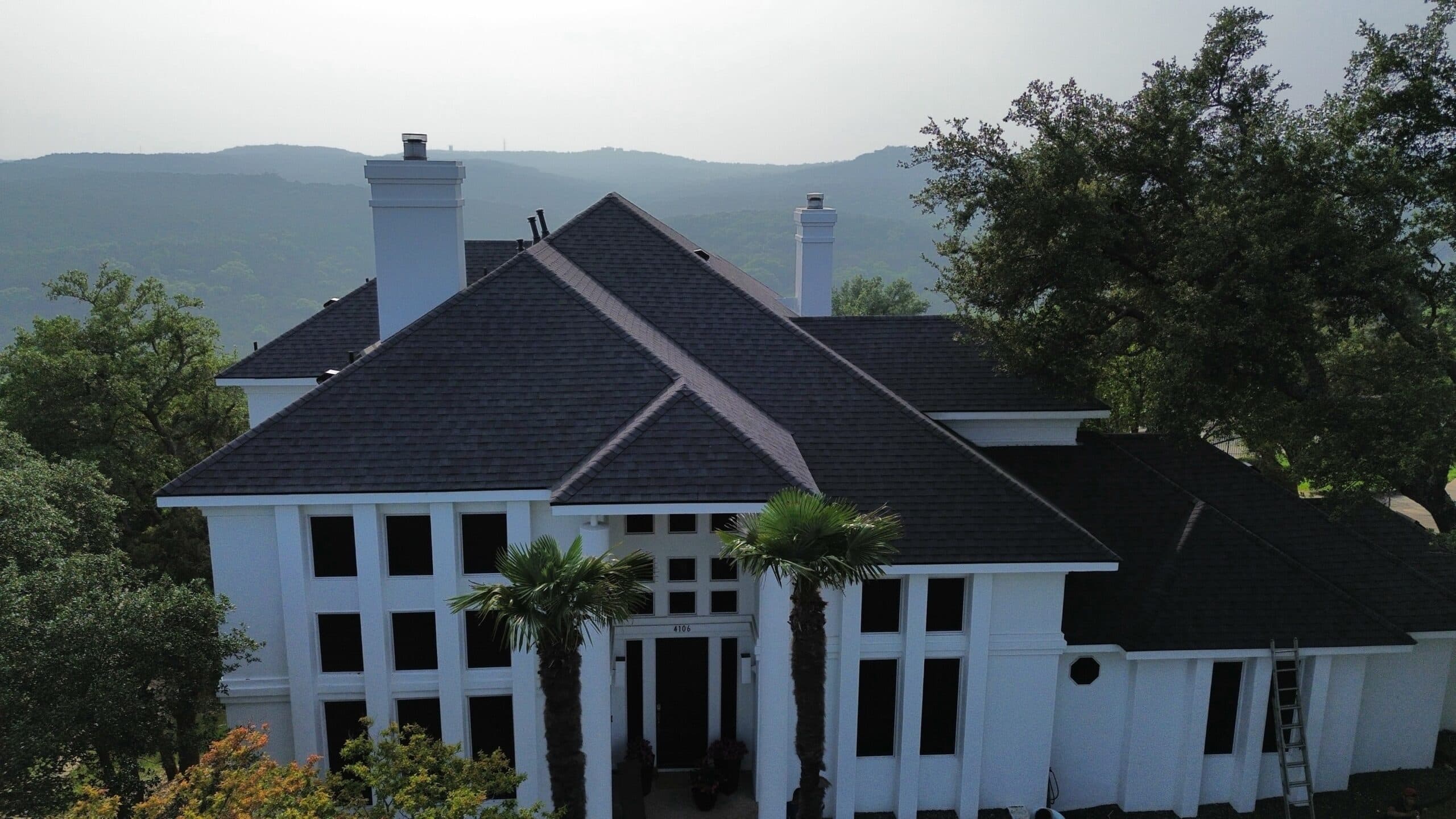
The average Central Texas homeowner replaces their roof every 15–22 years. But the homeowners who maintain their roofs proactively? Many get 25–30 years out of the same shingles. The difference isn't luck — it's a consistent maintenance routine that catches small problems before they become expensive ones.
In a climate like ours — blistering summers, hailstorms, flash flooding, and the occasional hard freeze — roofs work harder than almost anywhere else in the country. That makes maintenance not just advisable, but essential. Neglected roofs in Central Texas fail early, void manufacturer warranties, and turn small repair bills into full-replacement invoices.
This guide gives you a complete maintenance framework: what to do yourself, what to leave to professionals, seasonal timing, and exactly what to expect from a professional inspection.
Why Roof Maintenance Matters More in Central Texas
Texas puts roofs through extremes that most of the country never sees:
- Summer heat: Roof surface temperatures regularly hit 160–180°F, accelerating shingle aging and blistering
- Hail corridor: Central Texas is one of the most hail-active regions in the US — Round Rock, Georgetown, and Austin average 2–4 significant hail events per year
- Thermal cycling: Temperature swings from 20°F to 105°F in the same season cause expansion/contraction stress on flashings and sealants
- Flash flooding: High-intensity rainfall (3–6 inches in 2 hours) stresses gutters and drainage systems
- UV radiation: More sun hours than most US markets bleach and degrade shingles faster
The good news: most of this damage is catchable early. A roof that's inspected annually and maintained properly will outlast one that's ignored by 5–8 years — and that's a $10,000+ difference in your home maintenance budget.
Annual Roof Maintenance Checklist
Spring (March–May) — Most Important Season
Spring is your highest-priority maintenance window for two reasons: it follows winter's freeze-thaw stress, and it precedes Central Texas's most active storm season.
Do yourself (binoculars from ground level):
- Check shingles for missing, cracked, or curling sections
- Look for granule loss — patches that look darker or bare
- Inspect visible flashings around chimney and vents for gaps or separation
- Clear gutters of winter debris (leaves, twigs, seed pods from live oaks)
- Check downspouts are directing water away from foundation
- Look at ridge line — it should be straight, not wavy or sagging
Call a professional if you see:
- Any soft or sagging areas in the roofline
- Daylight visible from the attic
- Water stains on attic sheathing or rafters
- Flashing that's visibly lifted, rusted, or separated
Summer (June–August) — Heat & Monsoon Season
Do yourself:
- After any severe storm, scan from the ground for missing shingles or debris
- Check gutters haven't pulled away from fascia (common after heavy downpours)
- Look for granules accumulating in downspout splash areas — this accelerates after first summer storms
- Check attic ventilation is unobstructed (remove any stored items blocking soffit vents)
Professional service:
- Schedule post-storm inspection if you experienced golf-ball-sized or larger hail
Fall (September–November) — Prep for Winter
Do yourself:
- Clean gutters after the live oak/pecan drop in October-November
- Trim any overhanging branches within 6 feet of the roof
- Check fascia boards for signs of rot or pest entry at the roofline
- Clear any moss or algae growth before winter moisture sets in
Professional service:
- Annual comprehensive inspection — fall is ideal timing before year-end
Winter (December–February) — Monitoring & Ice Events
Do yourself:
- After any ice event, visually check for ice dams at the eaves (rare in Central Texas but not impossible — we learned that in 2021)
- Look for any lifted or separated shingles after freeze-thaw cycles
- Check gutters haven't separated from the fascia under ice weight
Professional service:
- Post-freeze inspection if temps dropped below 20°F — flashings and sealants are most vulnerable
Professional Maintenance Services & Costs
Some maintenance tasks require professional equipment, liability coverage, and trained eyes. Here's what professional maintenance typically includes and costs:
| Service | Frequency | Typical Cost |
|---|---|---|
| Full roof inspection (photo report) | Annually | Free (Ripple Roofing) |
| Gutter cleaning & flushing | 2x per year | $150–$300 |
| Pipe boot sealant replacement | Every 8–10 years | $150–$300 each |
| Flashing re-seal & caulk | Every 5–7 years | $200–$500 |
| Moss/algae treatment | As needed | $200–$400 |
| Ridge cap re-nail & seal | Every 10–15 years | $300–$600 |
| Attic ventilation inspection | Every 2–3 years | Included with inspection |
Annual maintenance budget for a typical Central Texas home: $300–$600 covers gutters, an inspection, and minor sealant work. Compare that to $800–$2,500 for the reactive repairs that skipping maintenance causes.
The DIY vs. Professional Line
We'll be straight with you: most roof maintenance you should not DIY. Here's where the line is:
Safe to Do Yourself
- Ground-level visual inspections with binoculars — essential skill every homeowner should develop
- Gutter cleaning on single-story homes with a secure ladder
- Trimming overhanging branches with a pole saw (never lean a ladder against gutters)
- Interior attic checks — grab a flashlight and look for water stains on decking
Leave to Professionals
- Anything that requires walking on the roof — Central Texas roofs are steep, hot (160°F surface in summer), and slippery. Falls from roofs are among the leading causes of serious injury in home maintenance
- Any repair work — improper nail placement, wrong underlayment overlap, or incorrect flashing installation will create leaks faster than the problem you're trying to fix
- Post-storm hail inspection — hail damage requires trained eyes to document accurately for insurance purposes
How to Read Your Roof From the Ground
You don't need to get on the roof to spot 80% of problems. Here's what experienced eyes look for from the ground:
Shingles:
- Uniform color across the whole field? ✅ Good. Darker or bare patches? ⚠️ Granule loss.
- Flat, lying tight? ✅ Good. Curling upward at edges? ⚠️ Cupping — common after 15+ years.
- Any visible gaps or missing sections? ⚠️ Immediate repair needed.
Ridgeline:
- Straight and even from end to end? ✅ Good. Any sag or wave? ⚠️ Possible structural issue.
- Ridge caps still in place and uniform? ✅ Good. Missing or lifted caps? ⚠️ Common hail target.
Gutters & Fascia:
- Gutters attached flush and level? ✅ Good. Pulling away, sagging, or stained? ⚠️ Check fascia for rot.
- Granule buildup in gutters visible from below? ⚠️ Shingles are aging — schedule inspection.
Flashings (visible areas):
- Metal tight against surface? ✅ Good. Gaps, bubbling, or rust streaks? ⚠️ Leak risk.
Extending Roof Lifespan: The Biggest Wins
If you want to maximize years out of your current roof, these are the highest-leverage actions in Central Texas:
1. Keep Gutters Clear
Clogged gutters back water up under the eaves, saturating fascia and eventually the roof decking. This is the single most preventable cause of premature roof decay in our market. Clean them at minimum every spring and fall.
2. Maintain Attic Ventilation
An attic running at 150°F+ cooks shingles from below, cutting years off their lifespan. Check that all soffit vents are unobstructed and ridge vents are clear. Learn more about ventilation.
3. Trim Overhanging Trees
Live oaks and pecans drop debris year-round in Central Texas. Branches resting on or rubbing against the roof abrade the granule surface and hold moisture. Keep branches at least 6 feet clear of any roof surface.
4. Act on Pipe Boots Early
Rubber pipe boots fail quietly — you won't know until you see a ceiling stain. On any roof over 8 years old, have them inspected and proactively replaced as they show cracking. $200 now vs. $2,000+ in attic mold remediation later.
5. Get Annual Professional Inspections
This is the single highest-ROI maintenance activity. A professional inspection catches the $300 repairs before they become $3,000 ones. We offer free annual inspections — there's no reason not to.
Roof Maintenance for Insurance Purposes
Texas homeowner insurance carriers are increasingly scrutinizing roof condition at renewal time. Many will non-renew policies or apply surcharges on roofs over 15 years old, or roofs with deferred maintenance. A documented maintenance history — annual inspections with written reports — provides evidence that you've been a responsible homeowner.
If you ever need to file a storm damage claim, carriers look for:
- Prior inspection records showing the roof was in good condition before the event
- Evidence that maintenance was current (clean gutters, intact flashings, no pre-existing damage)
We provide written inspection reports with photos that you can keep on file for exactly this purpose.
Maintenance Schedule by Roof Type
Architectural Asphalt Shingles (most common in Central Texas)
- Annual inspection: Essential
- Expected lifespan with maintenance: 22–28 years
- Key watch items: Granule loss, pipe boots, flashing at penetrations
Impact-Resistant / Class 4 Shingles
- Annual inspection: Still recommended
- Expected lifespan with maintenance: 25–35 years
- Benefit: Significantly more hail-resistant — may qualify for insurance discount
Stone-Coated Steel (DECRA, Metro)
- Annual inspection: Recommended
- Expected lifespan with maintenance: 40–70 years
- Key watch items: Fastener integrity, valley seals, panel overlaps at ridges — full guide here
Metal Standing Seam
- Annual inspection: Recommended
- Expected lifespan with maintenance: 40–60+ years
- Key watch items: Sealant at penetrations, panel seams at valleys and ridges
Frequently Asked Questions
How often should I have my roof professionally inspected in Central Texas? Once a year at minimum, ideally in fall before winter, plus an extra inspection after any hailstorm with golf-ball-sized or larger hail. Roofs older than 15 years or with overhanging trees benefit from twice-yearly checks.
Does skipping maintenance void my roof's manufacturer warranty? It can. Most shingle manufacturer warranties require the roof to be maintained per their guidelines and exclude damage attributable to neglect. Keep your written inspection reports on file — they're your proof of compliance if you ever need to file a warranty claim.
Can I pressure wash my roof to remove algae or dark streaking? No — pressure washing strips granules and can void manufacturer warranties. Algae and black streaking, common in Central Texas due to humidity, should be treated with a soft wash: low pressure and a cleaning solution formulated for shingles, ideally applied by a professional.
What does neglecting roof maintenance actually cost over time? Unmaintained roofs typically fail 5–8 years earlier than well-maintained ones — a gap that can easily run $10,000 or more once you account for the shortened lifespan plus the reactive repair costs ($800–$2,500 each) that pile up along the way.
Schedule Your Free Annual Inspection
Ripple Roofing offers free roof inspections for Central Texas homeowners — no sales pressure, just an honest written report with photos. We serve Round Rock, Austin, Georgetown, Cedar Park, Leander, Pflugerville, and the surrounding region.
Book your free inspection or call (512) 763-5277. We'll get you scheduled within 1–2 business days.