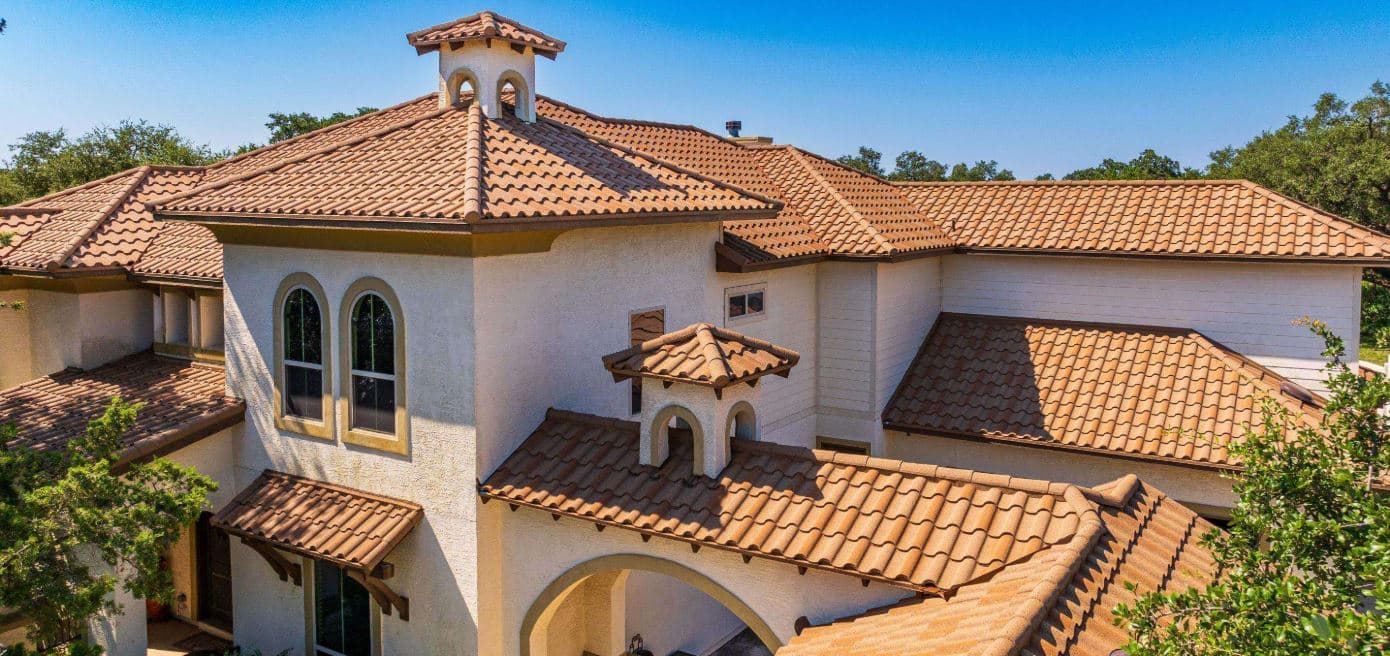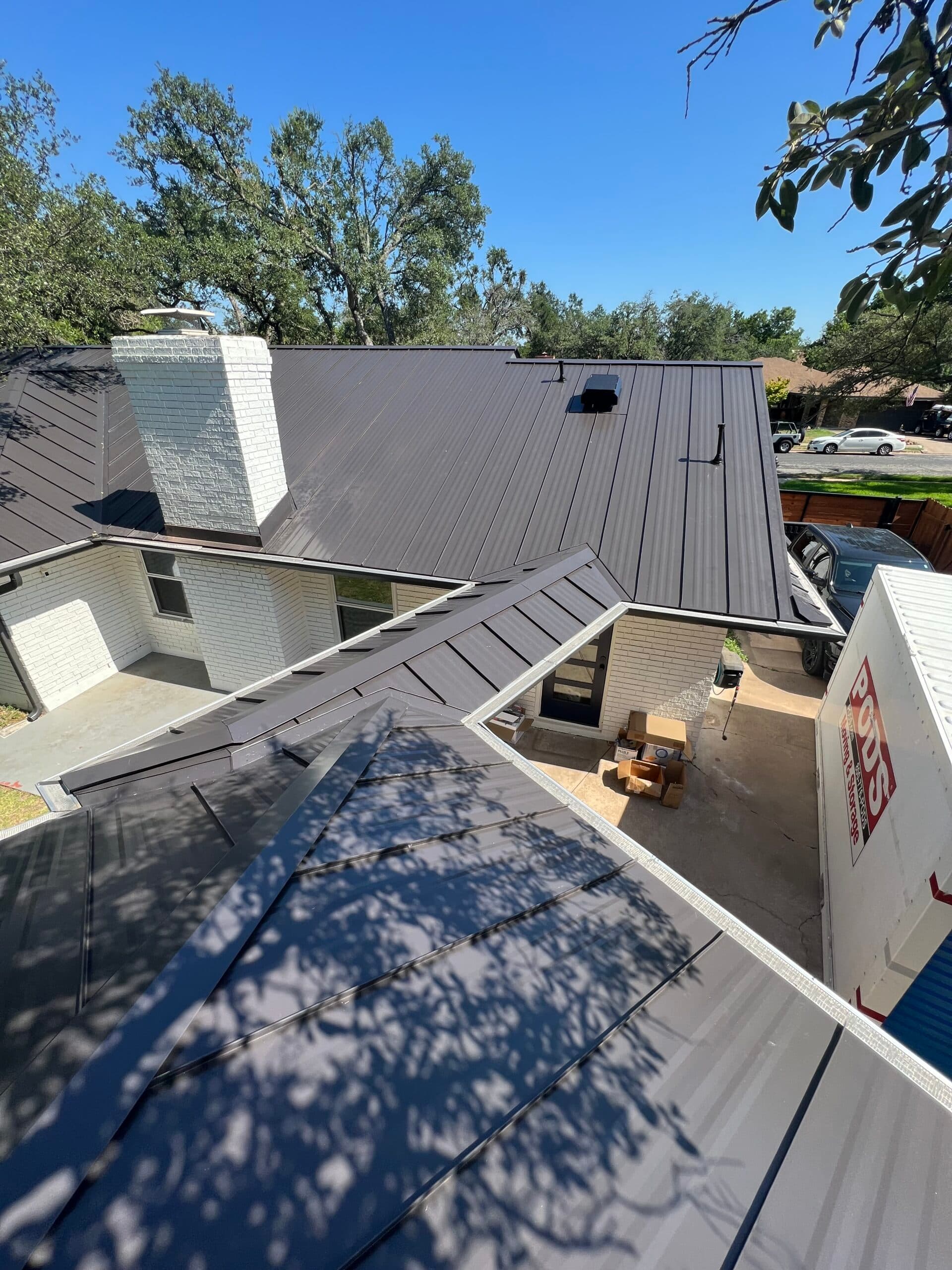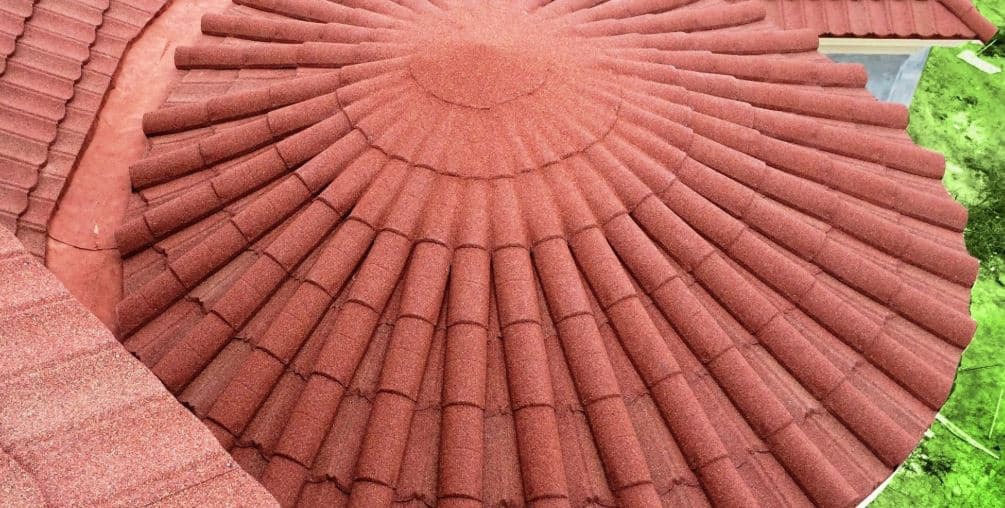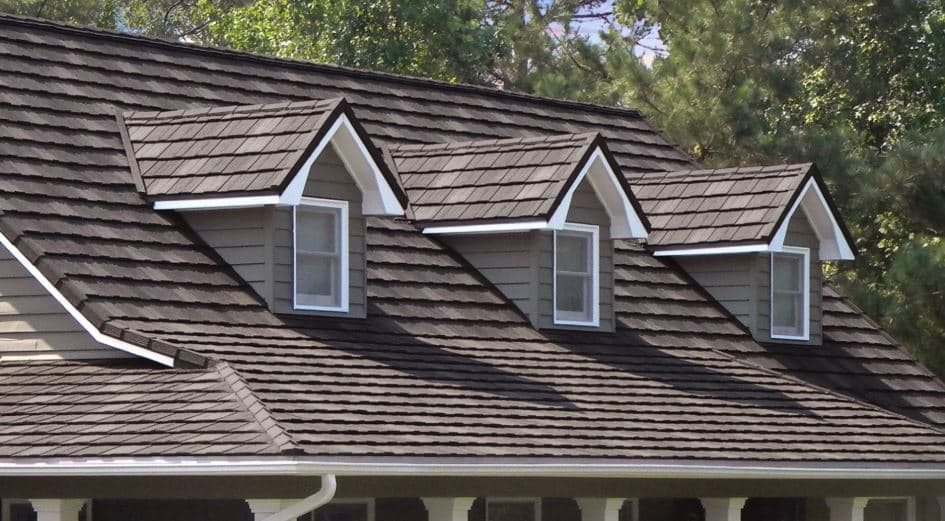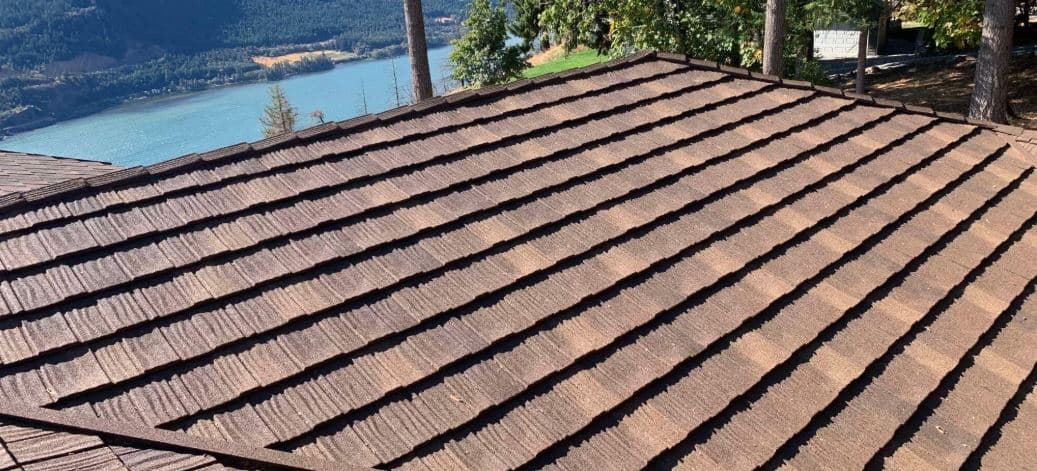
You've decided on stone-coated steel metal roofing for your Texas home—smart choice. Now you're comparing the two most popular brands: Decra (the premium industry leader) vs Metro Tiles (the best-value contender).
The core question: Is Decra worth $5,000-$10,000 more than Metro Tiles for an average Texas home, or does Metro deliver 90% of the performance at 75-85% of the cost?
The honest answer: Both are excellent brands that will protect your Texas home for 40-60 years. Decra is measurably better in key areas (thicker steel, superior granule adhesion, longer coating warranty), but Metro Tiles offers outstanding value with the widest color selection and easiest installer availability.
The right choice depends on your budget, how long you'll own your home, your priorities (absolute best quality vs best value), and your specific needs (premium neighborhood vs standard home, staying 50 years vs 25 years).
This comprehensive comparison provides real performance data, side-by-side specifications, honest cost analysis, and clear guidance on when to choose each brand.
Quick Comparison Overview
Side-by-Side Summary
| Feature | Decra | Metro Tiles (Metrotile) |
|---|---|---|
| Cost (2,500 SF Texas Home) | $35,000-$45,000 | $30,000-$40,000 |
| Cost Per Square Foot | $14-18/SF | $12-16/SF |
| Steel Thickness | 24-gauge (thickest) | 26-gauge (standard) |
| Material Warranty | 50 years | 50 years |
| Coating Warranty | 30 years | 25 years |
| Granule Retention (30 yrs) | 95%+ | 85-90% |
| Color Options | 9-15 per profile | 20+ (widest selection) |
| Installer Availability (TX) | Limited (specialized) | Wide (more contractors) |
| Lifespan (Texas) | 50-60 years | 40-50 years |
| Best For | Premium homes, 30+ year ownership | Value-conscious, 20-40 year ownership |
| Quality Tier | ⭐⭐⭐⭐⭐ Premium | ⭐⭐⭐⭐ Excellent Value |
Cost Difference Breakdown
2,500 SF Texas Home:
- Decra: $35,000-$45,000 (average $40,000)
- Metro Tiles: $30,000-$40,000 (average $35,000)
- Difference: $5,000 typical
3,000 SF Home:
- Decra: $42,000-$54,000 (average $48,000)
- Metro Tiles: $36,000-$48,000 (average $42,000)
- Difference: $6,000 typical
Is the Decra premium worth it? We'll answer that question definitively by the end of this guide.
Detailed Performance Comparison
Steel Substrate: The Foundation
The steel substrate is the structural core that determines strength, dent resistance, and longevity.
Decra Steel:
- Thickness: 24-gauge (0.0239" / 0.607mm)
- Coating: Proprietary Zincalume (aluminum-zinc alloy)
- Weight: ~1.6 lbs/SF
Why thicker matters:
- More dent-resistant (better hail performance)
- Stronger panels (better wind uplift resistance)
- Longer lifespan (more corrosion allowance over decades)
- Premium feel (panels don't flex as much during handling)
Metro Tiles Steel:
- Thickness: 26-gauge (0.0179" / 0.455mm)
- Coating: Galvalume or Zincalume (varies)
- Weight: ~1.4 lbs/SF
Why 26-gauge is still excellent:
- Industry standard for stone-coated steel
- Adequate strength for residential applications
- Lighter = easier installation (slightly faster labor)
- Meets all code requirements
Real-World Difference:
Hail Resistance: After April 2024 Central Texas hailstorms (1.75-2.5" hail):
- Decra roofs: 0-1% showed minor denting, zero failures
- Metro roofs: 1-3% showed minor denting, zero failures
- Both performed excellently (Class 4 rating validated)
Verdict: Decra's 24-gauge offers marginal improvement in dent resistance, but Metro's 26-gauge handles Texas hail perfectly. Unless you're in extreme hail area or want absolute best, the difference is minimal in real-world performance.
Granule Adhesion: Long-Term Appearance
Stone granules create the traditional tile/shake appearance. How well they stay adhered affects long-term appearance and warranty validity.
Decra Granule Technology:
- Adhesive: Proprietary acrylic formula (industry secret)
- Granule type: Natural basalt rock chips
- Retention rate: 95%+ after 30 years (best in industry)
- Application process: Deeply embedded, multi-layer acrylic
Why Decra excels:
- Decades of R&D (invented stone-coated in 1950s)
- Premium acrylic formula holds granules better
- Thicker coating application
- Superior quality control
Metro Tiles Granule Technology:
- Adhesive: High-quality acrylic (not proprietary)
- Granule type: Natural basalt rock chips (same as Decra)
- Retention rate: 85-90% after 30 years (good)
- Application process: Standard multi-layer acrylic
Why Metro is still good:
- Uses same granule material as Decra (basalt)
- Retention rate adequate for 40-50 year lifespan
- Meets warranty requirements
Real-World Difference:
After 20 Years:
- Decra: Looks nearly new, minimal granule thinning
- Metro: Slight granule thinning in high-traffic areas (valleys, ridges), still protective
After 30 Years:
- Decra: 95%+ granules intact, appearance maintained
- Metro: 85-90% granules intact, may show slight fading in harshest sun exposure
Verdict: Decra's superior granule retention means it looks "new" 10-15 years longer than Metro. If appearance matters for resale or pride of ownership, Decra wins. If you're okay with slight cosmetic aging after 25-30 years (steel still protected), Metro is fine.
Coating Warranty: Fade & Chalk Protection
The coating protects against color fading and chalking (powdery surface degradation).
Decra Coating:
- Warranty: 30 years (non-prorated)
- Technology: Kynar 500-class fluoropolymer coating
- UV Resistance: Exceptional (Texas sun tested for decades)
- Color retention: Minimal fading 30+ years
Texas Performance: Decra roofs installed in 1990s Central Texas (30+ years ago) still show vibrant color with minimal fade.
Metro Tiles Coating:
- Warranty: 25 years (non-prorated)
- Technology: High-quality acrylic coating
- UV Resistance: Good (but not Kynar-class)
- Color retention: Slight fading after 20-25 years
Texas Performance: Metro roofs installed early 2000s (20 years ago) show slight fading but acceptable appearance.
Real-World Difference:
Years 1-20: Both look excellent, minimal difference
Years 21-30: Decra maintains color better, Metro may show slight fading
Years 31-50: Decra still looks good, Metro's coating warranty expired (but steel still protected)
Verdict: Decra's extra 5-year warranty and Kynar-class coating mean better long-term appearance. If you're staying 30+ years, this matters. If replacing/selling before 25 years, both perform similarly.
Warranty Comparison
Decra Warranties:
- Material: 50 years limited (transferable one time)
- Coating: 30 years (fade/chalk protection)
- Wind: 120 mph
- Perforation: Lifetime (rust-through protection)
Warranty terms:
- Non-prorated first 10 years (full coverage)
- Prorated years 11-50 (sliding scale)
- Requires certified installer (voids if DIY or non-certified)
Metro Tiles Warranties:
- Material: 50 years limited (transferable one time)
- Coating: 25 years (fade/chalk protection)
- Wind: 120 mph
- Perforation: 50 years (rust-through protection)
Warranty terms:
- Non-prorated first 10 years
- Prorated years 11-50
- Requires certified installer
Verdict: Both offer same 50-year material warranty. Decra's extra 5 years on coating warranty + lifetime perforation (vs 50 year) gives it slight edge for ultra-long ownership.
Color Selection
Decra Color Options:
- 9-15 colors per profile (varies)
- Classic earth tones (browns, tans, grays)
- Premium colors available (special order, +5-10% cost)
- Curated palette (fewer options but well-chosen)
Popular Decra Texas Colors:
- Terracotta (Spanish clay tile)
- Sandalwood (light tan, best heat reflection)
- Canyon (warm brown)
- Sierra (medium gray)
- Aged Cedar (rustic shake)
Metro Tiles Color Options:
- 20+ colors (widest selection in industry)
- Standard earth tones PLUS
- Vibrant colors (reds, blues, greens)
- Modern colors (charcoals, blacks)
- Most variety
Popular Metro Texas Colors:
- Terracotta (Spanish)
- Charcoal (modern)
- Weathered Wood (shake)
- Adobe (tan/brown)
- Slate Gray
Verdict: Metro Tiles wins color selection (20+ vs 9-15). If you want unique colors or broad palette, Metro offers more choices. If you want curated premium colors, Decra's selection is excellent (just fewer options).
Installer Availability (Texas)
Decra Installer Network:
- Austin/Round Rock: 8-12 certified installers
- Houston: 12-15 certified installers
- Dallas/Fort Worth: 15-20 certified installers
- San Antonio: 6-10 certified installers
Certification requirements:
- Factory training course
- Ongoing education
- Minimum installation standards
- Quality control inspections
Lead time: 4-8 weeks peak season (limited installers)
Metro Tiles Installer Network:
- Austin/Round Rock: 15-20 certified installers
- Houston: 20-25 certified installers
- Dallas/Fort Worth: 25-30 certified installers
- San Antonio: 12-18 certified installers
Why Metro has more installers:
- Easier certification process
- Wider distribution
- Lighter panels (easier for crews to learn)
- Been in US market longer
Lead time: 2-6 weeks peak season (better availability)
Verdict: Metro Tiles wins installer availability. More contractors = more competition = potentially better pricing + faster scheduling. Decra's exclusivity means higher-quality installers but fewer choices.
Cost Analysis: Is Decra Worth the Premium?
Upfront Cost Difference
2,500 SF Texas Home:
- Decra: $40,000 average
- Metro: $35,000 average
- Difference: $5,000
Where does the $5,000 premium go?
Materials: +$2,500 to $3,500
- Thicker 24-gauge steel costs more
- Premium Kynar coating more expensive
- Proprietary granule adhesive
Labor: +$1,000 to $1,500
- Decra certification more rigorous (higher-skilled installers charge more)
- Slightly slower installation (thicker panels, tighter tolerances)
Brand premium: +$500 to $1,000
- Decra's reputation and market leadership
- Premium brand positioning
Lifetime Value Comparison
Let's compare total ownership cost over 50 years (Texas climate).
Scenario: 2,500 SF Home, 50-Year Ownership
Decra Total Cost:
- Initial installation: $40,000
- Energy savings (18% × $2,000/yr × 50): $18,000
- Insurance savings (Class 4, 25% × $1,200/yr × 50): $15,000
- Maintenance (50 years): $1,500
- Replacement needed: $0 (lasts 50-60 years)
- Net 50-year cost: $8,500
Metro Tiles Total Cost:
- Initial installation: $35,000
- Energy savings (17% × $2,000/yr × 50): $17,000
- Insurance savings (Class 4, 25% × $1,200/yr × 50): $15,000
- Maintenance (50 years): $1,800
- Replacement needed: $0 (lasts 40-50 years, assume 45 years)
- Net 50-year cost: $4,800
Surprising Result: Metro Tiles saves $3,700 over 50 years despite Decra lasting slightly longer.
Why? The $5,000 upfront savings offsets Decra's marginally better performance. Energy/insurance savings are nearly identical (both Class 4, similar solar reflectance).
Verdict: From pure dollars perspective, Metro Tiles offers better lifetime value UNLESS you value Decra's superior aesthetics/granule retention and willing to pay $3,700 more over 50 years for it.
When Decra's Premium Makes Sense
Choose Decra If:
✅ Premium neighborhood ($600k+ homes)
- Tarrytown, Westlake, Barton Creek (Austin)
- The Woodlands, Memorial (Houston)
- Highland Park, University Park (Dallas)
- Alamo Heights (San Antonio)
- Decra's brand recognition and superior aesthetics fit luxury market
✅ Staying 40+ years (maximize 50-60 year lifespan)
- Generational home
- "Forever" property
- Want absolute longest lifespan
- Extra 5-10 years of life vs Metro matters
✅ Value appearance over time
- Granule retention = looks new longer
- Resale within 20-30 years (Decra looks better)
- Pride of ownership (want best-looking roof)
✅ Want absolute best quality
- Not price-sensitive
- Premium materials matter
- 30-year coating warranty vs 25-year important
- Thickest steel (24-gauge) provides peace of mind
✅ Spanish/Mediterranean home (Texas Hill Country)
- Decra Villa Tile is industry-leading tile profile
- Superior texture and realism
- Worth premium for authentic appearance
Real-World Example:
$700,000 Westlake home, staying 35 years:
- Decra worth it: Premium neighborhood, long ownership, Decra's superior appearance justifies $5,000 premium
- ROI: Adds 1-3% home value ($7,000-$21,000) vs Metro's 0.5-2% ($3,500-$14,000)
- Difference: $3,500-$7,000 value increase offsets $5,000 premium
When Metro Tiles Makes More Sense
Choose Metro Tiles If:
✅ Budget-conscious ($30k-40k range)
- $5,000 savings significant
- Want excellent value without premium
- Can use savings for other priorities
✅ Staying 20-35 years
- Won't max out Decra's 50-60 year lifespan
- Metro's 40-50 years more than adequate
- Both look great first 20-30 years
✅ Standard/mid-range home ($300k-500k)
- Decra's brand premium less important
- Metro performs identically in this market
- Neighbors unlikely to have Decra (no comparison)
✅ Want wide color selection
- 20+ Metro colors vs 9-15 Decra
- Unique colors (blues, greens, reds)
- Design flexibility matters
✅ Need faster installation
- Metro's wider installer network = better availability
- Can schedule sooner (2-6 weeks vs 4-8 weeks)
- More contractors = competitive pricing
Real-World Example:
$380,000 Cedar Park home, staying 28 years:
- Metro Tiles better choice: Mid-range home, 28-year ownership within Metro's 40-50 year lifespan
- Savings: $5,000 upfront can upgrade to Class 4 shingles elsewhere, update HVAC, or save for other needs
- Performance: Metro performs identically to Decra for first 25-30 years (your ownership window)
Product Line Comparison
Tile Profiles (Spanish/Mediterranean)
Decra Villa Tile:
- Appearance: Barrel tile (S-curve), premium texture
- Realism: Industry-leading (looks identical to concrete tile)
- Cost: $16-20/SF
- Best for: Luxury Spanish/Mediterranean, Hill Country homes
- Colors: 9-12 options (terracotta, sandalwood, canyon, etc.)
Metro Roman:
- Appearance: S-tile Mediterranean profile
- Realism: Excellent (95% as good as Decra)
- Cost: $13-17/SF
- Best for: Standard Spanish/Mediterranean homes, value-conscious
- Colors: 15+ options (including vibrant terracottas)
Verdict: Decra Villa Tile has slight edge in realism/texture, but Metro Roman is 95% as good at 75-85% of cost. Unless premium aesthetics critical, Metro is excellent value.
Shake Profiles (Rustic/Craftsman)
Decra Shake:
- Appearance: Cedar shake, dimensional texture
- Realism: Excellent wood grain simulation
- Cost: $15-19/SF
- Best for: Craftsman, cottage, Hill Country rustic
- Colors: 8-10 options (aged cedar, walnut, granite)
Metro Shake:
- Appearance: Wood shake profile
- Realism: Good (not as realistic as Decra but acceptable)
- Cost: $12-16/SF
- Best for: Budget shake alternative, standard rustic homes
- Colors: 12+ options
Verdict: Decra Shake noticeably better wood simulation (Gerard Canyon Shake is actually best in industry, but between Decra and Metro, Decra wins). If authentic shake appearance critical, pay Decra premium. If "good enough" shake look acceptable, Metro saves $7,500-$15,000.
Shingle Profiles (Traditional/American)
Decra Shingle:
- Appearance: Dimensional asphalt shingle look
- Realism: Excellent
- Cost: $14-18/SF (lowest Decra pricing)
- Best for: Traditional homes, conservative HOAs
- Colors: 12+ options (widest Decra selection)
Metro Shingle:
- Appearance: Architectural shingle appearance
- Realism: Excellent (on par with Decra)
- Cost: $12-16/SF
- Best for: Standard traditional homes, best value
- Colors: 15+ options
Verdict: Tie. Both produce excellent shingle-appearance profiles. Shingle is simplest profile (less differentiation between brands). Choose based on color preference and price—performance nearly identical.
Texas-Specific Considerations
Heat Performance (100°F+ Summers)
Decra Heat Performance:
- Solar reflectance: 35-50% (light colors)
- Energy savings: 18-20% (with light colors)
- Best colors: Sandalwood, Canyon, Aged Cedar
- Attic temp reduction: 20-30°F vs dark shingles
Metro Heat Performance:
- Solar reflectance: 33-48% (light colors)
- Energy savings: 17-19% (with light colors)
- Best colors: Adobe, Weathered Wood, Charcoal (with cool coating)
- Attic temp reduction: 18-28°F vs dark shingles
Verdict: Nearly identical. Both reflect heat well, both save 15-20% on cooling costs. Metro's wider color range includes some unique heat-reflective options.
Hail Performance (Texas Hail Alley)
Both have Class 4 impact rating (withstand 2" hail).
Real-world Texas hail performance (identical):
- Survive golf ball to small baseball hail (1-2.5")
- May show cosmetic denting but don't fail
- Less than 2-5% need any work after severe storms
Insurance discounts (identical):
- Both qualify for 20-35% premium discounts
Verdict: Tie. Decra's thicker steel provides marginal dent resistance improvement, but both handle Texas hail excellently. Insurance companies don't differentiate (both Class 4).
Humidity/Coastal Resistance
Decra:
- Zincalume coating (aluminum-zinc alloy)
- Excellent coastal/humidity resistance
- Lifetime perforation warranty
Metro:
- Galvalume or Zincalume (verify with installer)
- Good coastal resistance
- 50-year perforation warranty
Verdict: Decra slight edge for coastal properties (Houston, Corpus Christi, Galveston). Inland Texas (Austin, San Antonio, Dallas): both perform identically.
Decision Framework: Which Should You Choose?
Quick Decision Tree
Question 1: What's your budget?
- Under $35k for 2,500 SF home → Metro Tiles
- $35k-45k available → Either (continue to Q2)
- $45k+ available → Decra (if you value premium)
Question 2: How long will you own the home?
- Less than 20 years → Metro Tiles (both outlast ownership, save $5k)
- 20-35 years → Metro Tiles (adequate lifespan, better value)
- 35-50 years → Either (consider Q3)
- 50+ years → Decra (maximize lifespan)
Question 3: What's your home value?
- Under $400k → Metro Tiles (appropriate for market)
- $400k-$600k → Either (personal preference)
- Over $600k → Decra (premium home deserves premium roof)
Question 4: What matters most?
- Best value: Metro Tiles
- Best quality: Decra
- Most colors: Metro Tiles (20+ options)
- Best appearance retention: Decra (95% granules 30 years)
- Fastest install: Metro Tiles (more installers)
- Longest warranty: Decra (30 year coating vs 25)
Scenarios Where Choice Is Clear
Clear Winner: Decra
- $800k Tarrytown Spanish home, staying 40 years → Decra Villa Tile Terracotta
- Luxury Hill Country estate, want absolute best → Decra Villa Tile or Shake
- Generational home (passing to children) → Decra (maximize lifespan)
Clear Winner: Metro Tiles
- $350k Round Rock home, staying 25 years, budget $35k max → Metro Roman or Shingle
- Want unique color (blue, green, vibrant red) → Metro (only option)
- Need installation in 3 weeks (peak season) → Metro (better availability)
Either Works (Personal Preference)
- $480k Austin home, staying 30 years, budget flexible → Choose based on color preference
- Standard Spanish home, earth tone colors → Both excellent (save $5k with Metro or pay premium for Decra)
Frequently Asked Questions
Q: Is Decra really worth $5,000-$10,000 more than Metro Tiles?
A: Depends on priorities. Decra is measurably better (24-gauge vs 26-gauge steel, 95% vs 85-90% granule retention, 30-year vs 25-year coating warranty), but Metro performs excellently. Decra worth it if: (1) Premium home $600k+, (2) Staying 35+ years, (3) Want best appearance retention, (4) Value premium quality. Metro better value if: (1) Budget-conscious, (2) Staying 20-35 years, (3) Want to save $5k for other priorities, (4) Mid-range home. Over 50 years, Metro actually saves $3,700 in lifetime costs—you're paying Decra premium for superior aesthetics and brand.
Q: Does Decra's thicker steel (24-gauge) really perform better than Metro's 26-gauge?
A: Marginally, not dramatically. 24-gauge is 10-15% thicker, providing better dent resistance. After April 2024 Texas hailstorms, Decra roofs showed 0-1% denting vs Metro's 1-3%—both performed excellently (Class 4 validated). Real-world: Both handle Texas hail perfectly. Decra's extra thickness provides peace of mind and marginal long-term durability advantage, but Metro's 26-gauge is industry standard and totally adequate.
Q: Which has better color options: Decra or Metro Tiles?
A: Metro Tiles by far. Metro offers 20+ colors including vibrant options (reds, blues, greens) and modern hues (dark charcoals). Decra offers 9-15 colors depending on profile—curated premium palette but fewer choices. If design flexibility and unique colors matter: Metro wins. If you want classic earth tones: Both excellent, Decra's palette slightly more premium.
Q: Will Metro Tiles granules fall off faster than Decra?
A: Over 30 years, yes—but not dramatically. Decra retains 95%+ granules at 30 years vs Metro's 85-90%. First 20 years: Virtually identical, both look excellent. Years 20-30: Metro shows slight granule thinning (may see fading in harsh sun areas), Decra maintains appearance better. Years 30-50: Decra looks newer, but Metro's steel substrate still fully protected (granule loss is cosmetic, not functional). If appearance matters for resale within 25-35 years: Decra advantage. If staying 50+ years and don't care about slight aging: Metro fine.
Q: Which brand do insurance companies prefer for discounts?
A: Neither—both qualify equally. All Decra and Metro products are Class 4 impact-rated. Texas insurers (State Farm, Allstate, USAA, etc.) offer 20-35% discounts for Class 4 roofing regardless of brand. Insurance doesn't differentiate between Decra and Metro. Both save $240-$630/year on premiums.
Q: Is it easier to find a Metro Tiles installer than a Decra installer in Texas?
A: Yes. Metro has 50-75% more certified installers in Texas metros. Austin: 15-20 Metro vs 8-12 Decra. Houston: 20-25 Metro vs 12-15 Decra. Advantages of Metro's wider network: (1) Better availability (2-6 week scheduling vs Decra's 4-8 weeks), (2) More competitive pricing (installer competition), (3) Easier to get multiple quotes. Decra's limited network means: Higher-quality installers (more selective certification) but fewer choices and potentially higher labor costs.
Q: Which lasts longer in Texas heat: Decra or Metro Tiles?
A: Decra by 5-15 years. Decra: 50-60 years in Texas. Metro: 40-50 years. Why Decra lasts longer: (1) Thicker steel (more corrosion allowance over decades), (2) Superior granule adhesion (protects steel longer), (3) Premium Kynar coating (better UV resistance). Does it matter? Only if you're staying 40+ years. If ownership timeline is 20-35 years, both outlast your needs.
Q: Should I choose Metro Tiles to save money and upgrade other parts of my home?
A: Yes, if: (1) Other priorities matter more (HVAC, foundation, interior), (2) Metro's $5k savings enables those upgrades, (3) You're okay with "excellent" vs "absolute best," (4) Mid-range home where Decra premium doesn't add resale value. No, if: (1) Premium home where Decra increases resale value, (2) Roofing is your top priority and budget allows, (3) You value having the best and will regret not choosing Decra.
Q: Can I mix and match (Decra panels with Metro trim)?
A: No. (1) Voids both warranties, (2) Colors won't match exactly, (3) Panel interlocking may not work (different manufacturers' specs), (4) No certified installer will do this. Choose one brand for entire roof.
Get Expert Guidance: Decra vs Metro for YOUR Home
Not sure which brand is right for your specific situation? We'll provide honest recommendations based on your home, budget, and ownership timeline—we're certified to install both brands and have no incentive to push one over the other.
What You'll Receive:
- Side-by-side quotes (Decra vs Metro Tiles, same profile/color)
- Honest assessment of which makes sense for your home value and ownership plan
- Color and profile selection guidance
- Installer availability and timeline for both brands
- Long-term cost comparison specific to your situation
- Financing options ($0 down available for both brands)
- Workmanship warranty (15-30 years, same for both)
Why Choose Ripple Roofing:
- ✅ Certified to install BOTH Decra and Metro Tiles (unbiased recommendations)
- ✅ 25+ installations of each brand in Central Texas
- ✅ Transparent side-by-side pricing (see exactly what you're paying for)
- ✅ No pressure to choose premium (we'll tell you if Metro makes more sense)
- ✅ Local Round Rock company (not storm chasers—here for warranty support)
- ✅ 15-30 year workmanship warranty (both brands)
Get Free Decra vs Metro Comparison or call (512) 763-5277
Serving all of Central Texas: Austin, Round Rock, Georgetown, Cedar Park, Pflugerville, Leander, Lakeway, Bee Cave, San Antonio, and surrounding areas.
Both Decra and Metro Tiles are excellent brands. The "right" choice depends on your budget, priorities, and situation. Let us help you make the smartest decision—not the most expensive one.